
Imagine stepping outside your apartment in a bustling city that never quite figured out how to live sustainably. The air is heavy with smog, a dull, constant haze that blurs the skyline and seeps into your lungs with every breath. You slip on a mask before heading out — an essential accessory for surviving in this polluted atmosphere. The sound of honking horns fills the streets as you find yourself stuck in yet another endless traffic jam. Every car on the road spews exhaust into the air, contributing to the thick blanket of pollution that hovers over the city like a permanent cloud.
As you navigate through the congested streets, the heat is almost unbearable. Summers have become increasingly scorching, with temperatures regularly exceeding 40°C. The city has turned into an urban heat island, amplifying the effects of climate change. Air conditioning units buzz from every building, guzzling energy and pushing the city’s already strained power grid to its limits. The carbon emissions from this energy consumption contribute further to the vicious cycle of warming, creating a feedback loop that seems impossible to escape.
Water conservation was another battle that the city lost long ago. Without efforts to reduce water usage or recycle wastewater, the city now faces frequent water shortages. During the long, dry spells, the parched landscape on the outskirts of town becomes a tinderbox. And wildfires are no longer a rare occurrence but a regular part of life. These fires not only devastate the surrounding forests but also add more carbon dioxide to the atmosphere, further escalating the climate crisis.
When the rains do come, they are torrential, turning streets into rivers as the city’s outdated drainage system struggles to cope. Flooding has become more frequent and severe, washing away what little remains of green spaces and causing untold damage to homes and infrastructure. The cycle of drought followed by intense rainfall is a stark reminder of the extremes we’ve come to accept as normal.
In this world, where no one bothered to conserve resources, reduce emissions or adopt greener technologies, the quality of life has plummeted. Respiratory illnesses are on the rise, with hospitals overwhelmed by cases of asthma, bronchitis and other pollution-related conditions.
The carbon footprint of each individual has ballooned, as energy-intensive lifestyles remain unchanged and the environment pays the price.
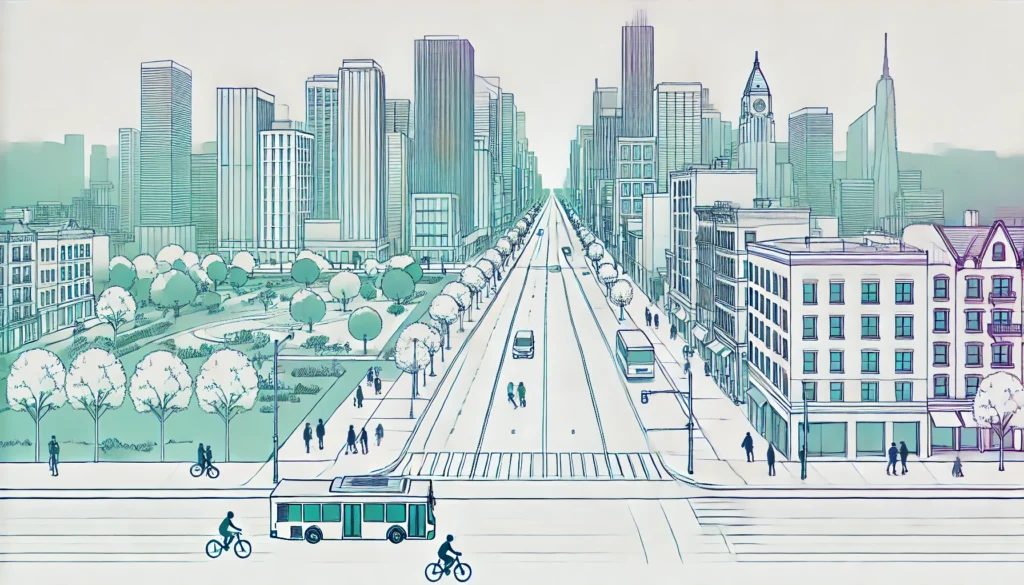
But it doesn’t have to be this way. The choices we make today directly influence the world of tomorrow. The next time you consider driving alone, think about the emissions from your car and how they contribute to the smog that clouds our skies. Instead, try carpooling, cycling or using public transportation. These small actions can reduce your carbon footprint and help improve air quality, making our cities more livable.
Similarly, water conservation isn’t just about saving a few euros on your utility bill — it’s about preserving our most precious resource for future generations. By installing water-efficient fixtures and fixing leaks, you can reduce your household’s water consumption and lessen the strain on our overburdened water systems.
Reduce your carbon footprint by opting for public transport, cycling, or carpooling.
Conserve water by fixing leaks and installing water-efficient fixtures.
Small, everyday actions can add up to a massive impact on our future.